Thailand Visa Requirements for Indian Citizens
Thailand visa rules for Indians: 30-day visa-free stay, proof of funds, tourist e-Visa, extension, long-stay DTV and overstay fines, checked for 2026.
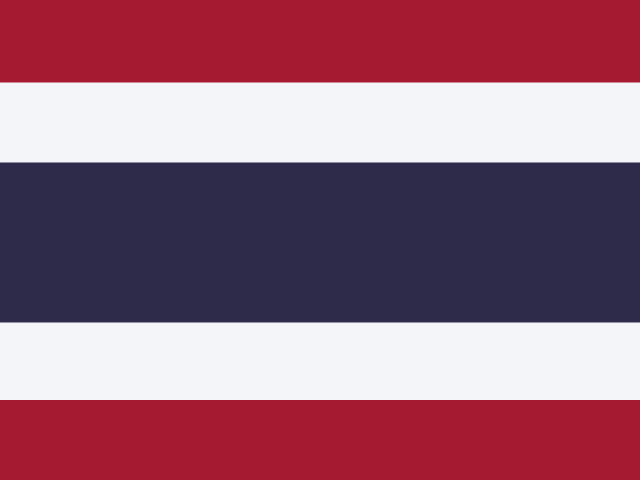
Indian citizens do not need a visa for a tourist trip to Thailand of up to 30 days. From 15 September 2026 that is the maximum visa-exempt stay, down from the earlier 60 days. You must still complete the Thailand Digital Arrival Card before you arrive, and Thai immigration can ask you to prove your plans and funds at the border. If you want to stay longer, or you are travelling for another purpose, you need a visa. This guide covers the exemption, the tourist e-Visa, extensions, the long-stay visa and the penalties for overstaying. For the timeline of how the rules changed during 2026, see our Thailand news guide.
Which option fits your trip
- Visa-exempt entry: tourism for up to 30 days per entry, at no visa fee.
- Tourist e-Visa: for a longer holiday, applied for online before you travel.
- Destination Thailand Visa (DTV): a five-year, multiple-entry visa for remote workers and certain long-stay visitors.
- Other visas: work, study, medical and business stays need the matching visa, not the tourist exemption.
Entering on the visa exemption
The exemption is for tourism. Immigration officers make the final decision at the border and can refuse entry even when you qualify. Plan to carry:
- a passport valid for at least six months from your arrival date;
- a confirmed return or onward ticket;
- proof of where you will stay, such as a hotel booking;
- proof of funds (see the next section);
- your Thailand Digital Arrival Card confirmation.
Proof of funds
Officers can ask you to show that you can pay for your stay. In a reminder issued on 6 July 2026, the Tourism Authority of Thailand listed THB 10,000 per person (or THB 20,000 per family) for some entry categories, and THB 20,000 per person (or THB 40,000 per family) for tourist visas, with the requirement not applying to children under 12. The Indian Embassy in Bangkok has separately advised travellers to carry THB 20,000 per person. The amounts depend on how you enter, so carrying evidence of at least THB 20,000 per person is the safer choice. You can show Thai baht, an equivalent in another currency, or documents proving you have the funds.
Tourist e-Visa
Thailand’s e-Visa system accepts applications only through the official portal, thaievisa.go.th. Any site on another domain is a private agent, not the Thai government. The Thai embassy states that processing takes about 14 working days from the day the fee is paid, so apply three to four weeks before you travel and do not buy non-refundable tickets first. The standard tourist e-Visa allows up to 60 days per entry. From 27 April 2026 the Thai embassy fee schedule for India lists a single-entry tourist visa at INR 3,000 and a multiple-entry tourist visa at INR 13,500, as reported by Wego. The portal shows the current fee in rupees. Visa fees are non-refundable if the application is refused.
Staying longer than 30 days
You can ask Thai immigration to extend a visa-exempt stay by up to 30 days. The usual fee is THB 1,900, paid at an immigration office with a TM.7 application form, a passport photo and copies of your passport pages. Paying the fee does not guarantee approval, because the decision is made by immigration. If you already know you will need more than 30 days, apply for a tourist e-Visa or another suitable visa before you travel instead of relying on an extension.
Long-stay option: Destination Thailand Visa
The Destination Thailand Visa (DTV) is a five-year, multiple-entry visa for remote workers and certain other long-stay visitors. The official fee is THB 10,000. Commonly cited rules allow up to 180 days per entry, extendable once, and ask for proof of savings of at least THB 500,000. Requirements vary between embassies and have been tightened since it launched, so read the current requirements on the e-Visa portal and with the embassy that will handle your application.
Thailand Digital Arrival Card
Every foreign national, including visa-exempt visitors, must complete the Thailand Digital Arrival Card (TDAC) online before entering Thailand. Submit it no earlier than 72 hours (three days) before arrival. The official form is free at tdac.immigration.go.th.
Overstaying
The fine for overstaying is THB 500 per day, capped at THB 20,000. Thai embassy guidance says that if you pay the fine before you leave you will not be banned from entering on a later visit, but long overstays can bring re-entry bans and detention. If you may run over, extend your stay before it ends or change your flight.
Before you fly
- Check that your passport is valid for at least six months from arrival.
- Complete the TDAC within the 72-hour window and keep the confirmation.
- Carry your return ticket, accommodation details and proof of funds.
- Apply for an e-Visa early if your trip is longer than 30 days.
Ready to apply? Start your visa application or check your documents at OnlineEVisa.com.
Last verified: 5 November 2026 against the sources linked below. Visa rules change often, so confirm the details on the official link before you book or apply.
Official sources
- Royal Thai Embassy, New Delhi
- Thailand e-Visa portal
- Thailand Digital Arrival Card
- Tourism Authority of Thailand: proof of funds reminder, July 2026
Found something out of date? Tell us through our corrections policy. This page is general information, not legal or immigration advice: see our disclaimer.

Vinay Patel
Vinay Patel is Managing Director of Visa2Travel (Vinpay Overseas Pvt. Ltd.), based in Anand, Gujarat. He runs visa2travel.news and the Visa2Travel brand, which has served travellers since 2015.