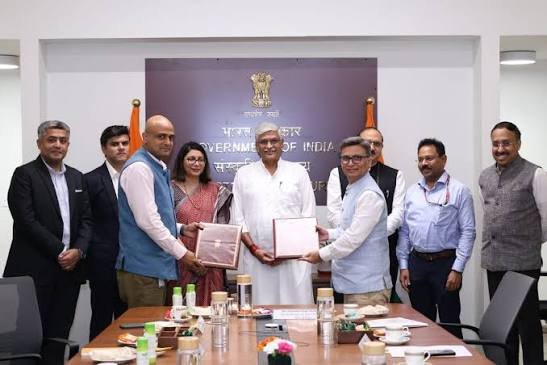
A significant development that India is making in terms of changing its tourism industry through innovation involves the signing of an MoU between India’s Ministry of Tourism (MoT) and Google India on June 30, 2026. The collaboration seeks to make improvements in the way India promotes its tourism destinations using digital technology.
This development happened in New Delhi amid the presence of Union Minister of Tourism and Culture, Gajendra Singh Shekhawat, and involved the use of innovative technologies like artificial intelligence and digital platforms. The MoU signifies the intention of India’s government to collaborate with a top technology company from all over the globe to promote India’s tourism industry digitally.
As per the terms of the MoU, both entities will collaborate and cooperate in various important aspects including the promotion of digital tourism, knowledge sharing, capacity building, and use of emerging technologies. Through this partnership, Google’s vast digital ecosystem will be used to highlight India’s great culture, natural beauty, and unique travel experiences to the Indian and foreign tourists.
One of the most important things about this collaboration will be using artificial intelligence and insights from data in order to understand the travel behavior and trends around the world. With the help of information gained through user engagement and search patterns, the Ministry of Tourism will be able to develop more efficient marketing campaigns.
Furthermore, the objective of the collaboration is to offer immersive digital experiences that would enable prospective travelers to enjoy virtual tours of India. Using technological tools, the collaboration would enable stakeholders to make India’s tourist attractions easily accessible to travelers from around the world. As per officials, such initiatives would change the way tourists interact with the tourism content.
An important part of the Memorandum of Understanding is capacity building through trainings and workshops that would be offered to the tourism officials. These trainings would enable tourism officials to gain skills and knowledge related to various digital marketing techniques and new technologies.
It is important to highlight that this Memorandum of Understanding is of a non-commercial, non-binding, and non-exclusive nature. In other words, there are no monetary responsibilities for both parties as they are aimed at working together to increase the knowledge about the development of the Indian tourism. The flexible approach allows them to develop creative solutions, which will not be limited by certain financial obligations.
It should be noted that this collaboration occurs at an especially favorable moment when the global tourist industry is evolving after the pandemic. Travelers now have to use different digital platforms for their purposes. Therefore, by using new technologies in its promotion strategy, India intends to follow current tendencies and increase the number of foreign tourists.
In addition to that, the project is also in line with the “Incredible India” vision of the government, which aims at establishing India as a top travel destination in the world. The collaboration with Google India makes it possible for the ministry to expand its outreach and showcase the lesser-known places along with the popular tourist attractions.
Moreover, the utilization of AI and other digital analytics is expected to provide customized suggestions for visitors, which would improve their experience. It is likely that this would bring about better tourist satisfaction, increased engagement, and economic contribution by the tourism sector.
In conclusion, the MoU signed between the Ministry of Tourism and Google India can be said to be a very important step in the direction of digitalization of India’s tourism sector. Through the collaboration of the efforts of the government along with technology, it is possible to boost the global reach, engagement, and sustainable development in tourism. The increasing digitalization trend all over the world makes such collaborations inevitable.