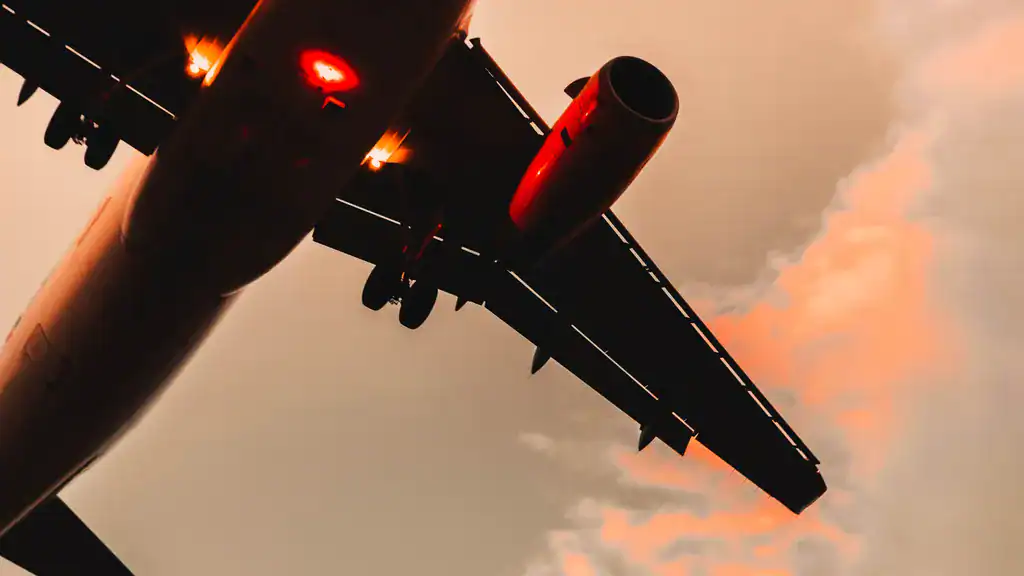
The partial reopening of Iran’s airspace in 2026 has brought a significant boost to flight operations between Gulf countries and India, offering much-needed relief to airlines and passengers affected by weeks of disruption. Following heightened geopolitical tensions in the Middle East, several countries had shut down their airspace, leading to widespread cancellations, delays, and rerouted flights.
Now, with Iran gradually reopening parts of its airspace, airlines are beginning to restore routes, improving connectivity across the region. This development is especially important for India, which has strong travel and workforce links with Gulf nations such as the UAE, Qatar, and Saudi Arabia.
During the peak of the crisis, thousands of flights were cancelled or diverted, significantly increasing travel time and operational costs for airlines. Aircraft were forced to take longer routes to avoid restricted zones, leading to higher fuel consumption and delays. According to industry estimates, the disruption impacted a large portion of global air traffic, as the Middle East serves as a crucial aviation corridor connecting Asia, Europe, and Africa.
With the partial reopening of Iranian airspace, airlines are now able to resume shorter and more efficient routes. This has resulted in an increase in flight frequency between Gulf countries and India. For example, airlines operating from the UAE are gradually scaling up services, with over 100 flights expected daily between the UAE and India under current operational conditions.
The reopening is currently limited and carefully monitored due to ongoing regional tensions. Authorities have allowed selected routes, particularly in the eastern part of Iran’s airspace, to be used for transit flights. However, safety remains a top priority, and airlines continue to assess risks before expanding operations further.
Recent developments indicate that international flights from Tehran and other Iranian airports have resumed in phases after a temporary ceasefire, marking a slow return to normalcy in the aviation sector.
Despite these positive signs, governments, including India, have issued advisories urging caution. Travelers are advised to stay updated with official guidelines and airline notifications, as the situation remains dynamic and subject to change. Limited operations are still in place, and full restoration of normal flight schedules may take time.
For passengers, the reopening of airspace translates into better availability of flights, reduced travel time, and potentially more stable ticket prices. Earlier, longer detours had increased fares due to higher fuel costs and operational challenges. As routes normalize, airlines are expected to gradually stabilize pricing and improve service efficiency.
The development is also crucial for Indian expatriates working in the Gulf region. With improved connectivity, travel between India and Gulf countries becomes easier, supporting business, tourism, and family travel. Airlines like Air India and IndiGo are already planning to increase operations as conditions improve.
In the broader context, the reopening of Iran’s airspace is a step toward restoring stability in global aviation networks. The Middle East plays a vital role in international travel, and even partial normalization has a ripple effect across continents.
However, experts caution that the situation is still evolving. While flight operations are increasing, complete recovery depends on long-term geopolitical stability in the region. Until then, airlines and passengers alike will need to remain flexible and prepared for possible changes.
Overall, the partial reopening marks a positive turning point, helping reconnect India with the Gulf region and easing the pressure on global aviation routes after a challenging period.