
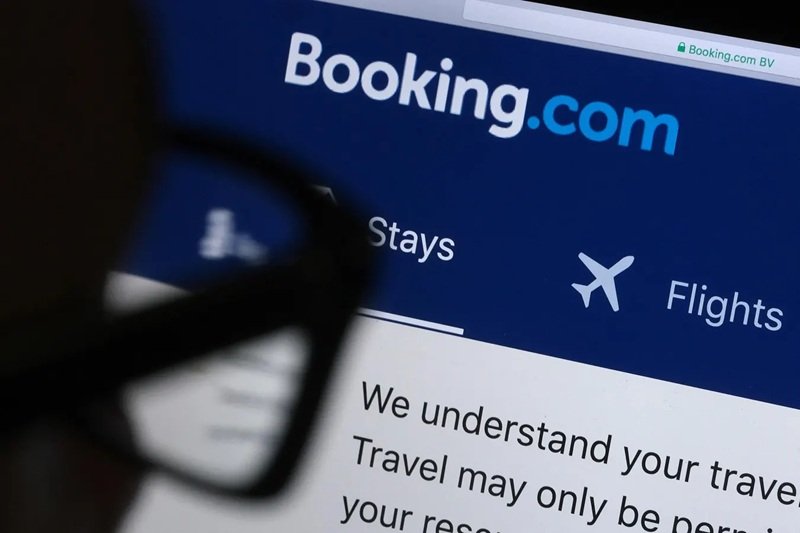
The global travel industry has been shaken by a recent cybersecurity incident involving Booking.com, one of the world’s largest online travel booking platforms. The company has confirmed that a data breach led to unauthorized access to certain customer booking information, raising serious concerns about digital security in the travel sector.
According to official statements, the breach was detected after unusual activity involving unauthorized third parties was identified. The attackers were able to access limited booking-related data linked to some users. This information may include names, email addresses, phone numbers, and reservation details shared with accommodation providers.
While the breach has understandably alarmed users, the company clarified that no financial or payment-related data was compromised. Credit card details and banking information remain secure, which has provided some reassurance to affected customers.
However, cybersecurity experts warn that even without financial data, the exposed information can still be highly valuable to hackers. Personal details combined with booking information can be used to launch targeted phishing attacks. In such cases, scammers may impersonate hotels or travel agents and send convincing messages asking for payments or personal verification.
In response to the breach, Booking.com has taken immediate action to contain the issue. The company has reset PIN codes associated with affected reservations and notified impacted users via email. Customers have also been advised to remain cautious and avoid sharing sensitive information through email, phone calls, or messaging platforms unless verified.
This incident highlights a growing trend in the travel industry, where cybercriminals are increasingly targeting booking platforms and hospitality systems. By gaining access to reservation data, attackers can exploit trust between travelers and service providers. In some cases, hackers have used compromised systems to send fraudulent messages that appear legitimate, making it difficult for users to detect scams.
The breach also raises broader questions about data security and the responsibilities of online platforms handling sensitive customer information. With millions of users worldwide relying on digital travel services, ensuring robust cybersecurity measures has become more critical than ever. Companies must continuously upgrade their systems to protect against evolving threats while maintaining user trust.
For travelers, this incident serves as an important reminder to practice digital caution. Experts recommend using strong and unique passwords, enabling two-factor authentication where possible, and avoiding clicking on suspicious links. Verifying any payment requests directly with hotels or through official platforms can also help prevent fraud.
Despite the setback, Booking.com has emphasized its commitment to strengthening security measures and preventing similar incidents in the future. The company continues to monitor the situation and work on enhancing its systems to safeguard customer data.
In conclusion, the Booking.com data breach underscores the vulnerabilities that exist in today’s digital travel ecosystem. While no financial data was exposed, the incident highlights the importance of cybersecurity awareness among both companies and travelers. As online travel continues to grow, protecting personal information will remain a top priority for the industry.

