
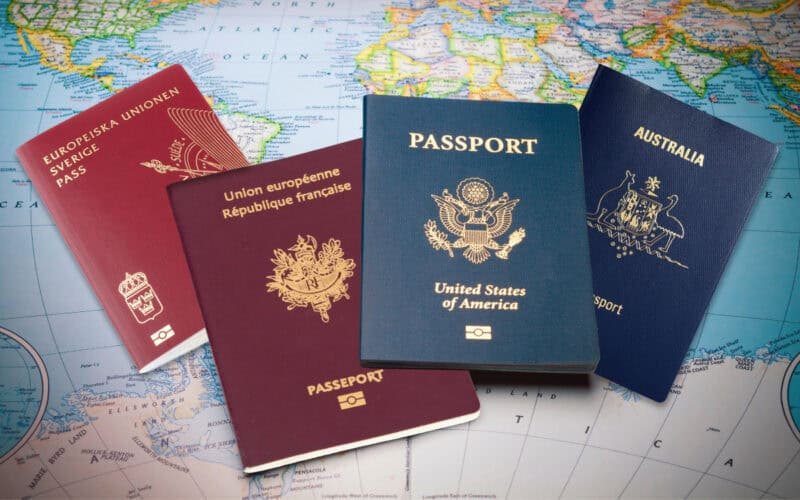
The global travel industry is preparing for a major transformation as a new passport verification system is set to roll out in 2026. This change is being introduced under updated standards from the International Civil Aviation framework, aiming to make travel more secure, faster, and technologically advanced.
One of the biggest updates in the 2026 system is the enhancement of biometric verification. Modern passports already include embedded chips, but the next generation will store more detailed biometric data. Facial recognition will become more precise, with systems capable of identifying unique facial structures, eye positioning, and other identifiers. This improvement will significantly reduce identity fraud and improve accuracy at immigration checkpoints.
Another key change is the upgrade of ePassport chip technology. While many countries have already adopted electronic passports, the new system will introduce better encryption and improved data structures. These upgrades will ensure that passport information can be securely read across different countries without compatibility issues. As international travel continues to grow, having a standardized and secure system becomes essential for smooth operations.
A major structural update is also being introduced in passport classification. From January 2026, countries will follow a standardized coding format for passport types. This means that diplomatic, official, and regular passports will have uniform identification codes globally. This change may seem minor, but it plays a crucial role in enabling automated border systems and airline databases to process passenger information quickly and accurately.
Photo requirements are also becoming stricter under the new guidelines. Many travelers may already be aware that passport photo rules are quite specific, but the updated system will enforce these standards more rigorously. Images must meet exact criteria in terms of lighting, background, facial expression, and clarity. Even minor deviations could lead to rejection, especially as automated systems rely heavily on these images for identity verification.
The introduction of faster and smarter border control systems is another highlight of the 2026 update. Airports worldwide are increasingly adopting automated e-gates, and the new passport standards are designed to fully support these systems. Travelers can expect quicker processing times, reduced queues, and minimal manual intervention. Advanced technologies, including artificial intelligence, will be used to match passport data with live facial scans in real time.
For travelers, these changes bring both benefits and responsibilities. On the positive side, the new system will make international travel more efficient and secure. Reduced waiting times at airports and improved fraud detection are major advantages. However, travelers will need to ensure that their passport applications meet all updated requirements, especially when it comes to biometric data and photographs.
It is important to note that existing passports will remain valid during the transition period. There is no immediate need for travelers to replace their current passports unless required. However, newly issued passports, including those being introduced in countries like India, will be aligned with the updated global standards.
Overall, the 2026 passport verification system represents a significant step toward the future of travel. By combining biometric technology, standardized data formats, and automation, the system aims to create a seamless global travel experience. As countries continue to adopt these changes, travelers can look forward to a more secure and efficient journey across international borders. It is important to note that existing passports will remain valid during the transition period.