
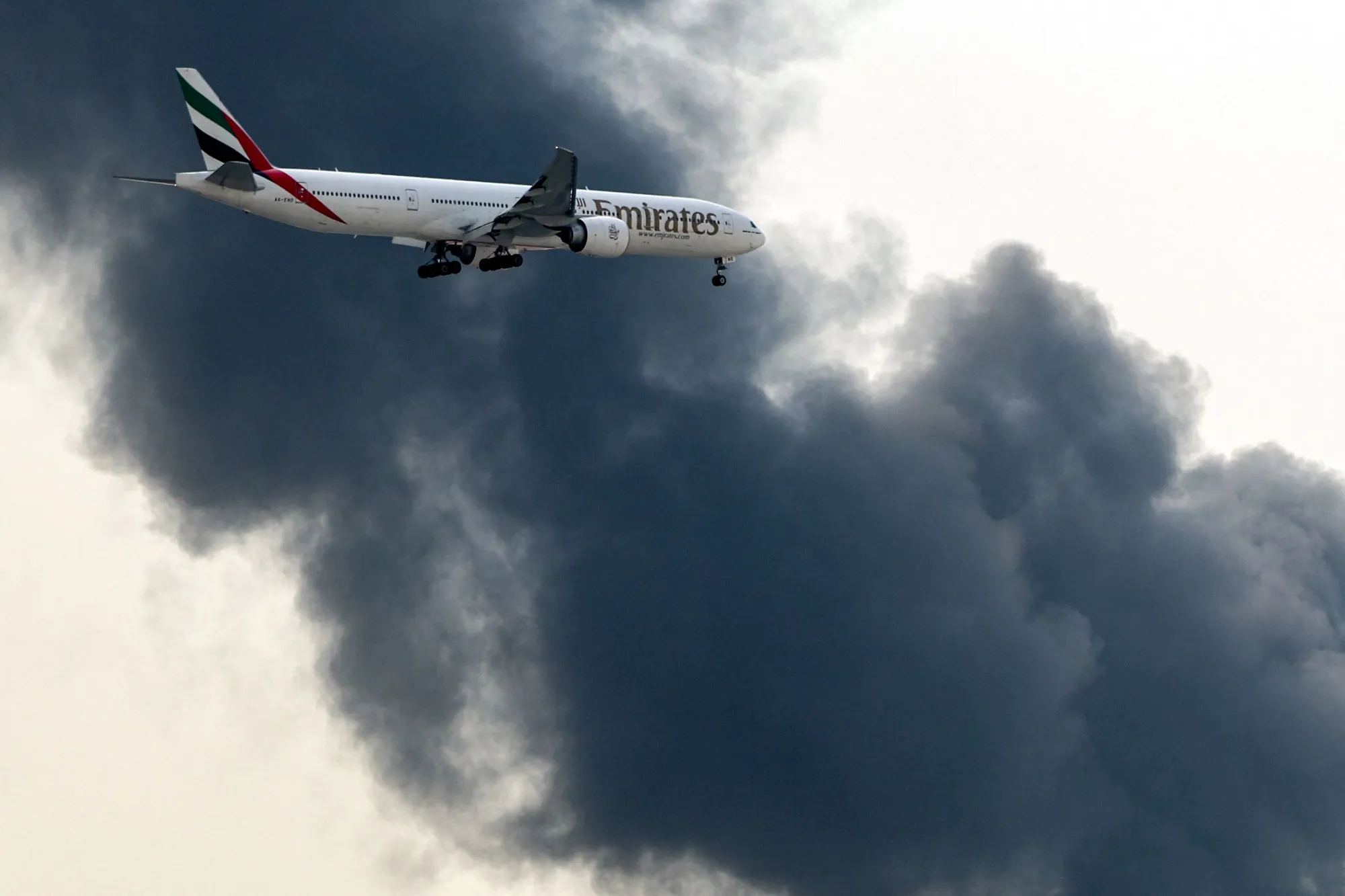
UAE Airspace Closure Disrupts Travel Amid Escalating Iran Conflict
The ongoing conflict involving the United States, Israel, and Iran has intensified significantly, leading to major disruptions in global travel and aviation. As tensions escalated further into the third week, the United Arab Emirates (UAE) briefly shut down its airspace in response to rising security threats, triggering widespread concern across the aviation industry.
Authorities confirmed that the temporary airspace closure was implemented as a precautionary measure while the country responded to missile and drone threats originating from Iran. The move, although short-lived, had immediate consequences for flights operating across one of the world’s busiest aviation corridors.
Rising Threats and Regional Instability
The closure came amid heightened military activity across the Gulf region. Explosions, missile interceptions, and drone incidents have been reported in multiple locations, including near critical infrastructure. The UAE acted swiftly to ensure passenger safety and prevent potential risks to civil aviation.
The broader conflict has also impacted several neighboring countries, with missile alerts and defensive operations reported in regions such as Qatar and other Gulf states. These developments highlight the growing instability across West Asia and its direct impact on international travel routes.
Strait of Hormuz Crisis Adds Global Pressure
At the center of the crisis lies the Strait of Hormuz, one of the world’s most critical maritime routes for oil transportation. The ongoing conflict has severely disrupted shipping operations in the region, raising global concerns over energy supply and economic stability.
US President Donald Trump has called on allied nations to assist in securing the strait, urging international cooperation to maintain the flow of oil and stabilize the region. However, responses from global partners have been mixed, with several countries hesitant to escalate their involvement.
The situation has also led to a significant decline in shipping activity, with many vessels avoiding the area due to safety concerns. This disruption has contributed to rising oil prices and increased uncertainty in global markets.
Impact on Aviation and Travel Industry
The temporary closure of UAE airspace underscores the vulnerability of global aviation networks to geopolitical tensions. Major international airlines rely heavily on Gulf air corridors for connecting flights between Europe, Asia, and Africa.
Even short disruptions can lead to flight delays, rerouting, and cancellations across multiple regions. Airlines are forced to adjust flight paths, increasing fuel costs and travel time for passengers.
Travelers flying through major hubs such as Dubai and Abu Dhabi experienced delays and uncertainty as airlines worked to resume normal operations following the reopening of airspace.
Safety Measures and Operational Challenges
Authorities in the UAE and across the region have taken proactive steps to ensure passenger safety. Airspace closures, flight suspensions, and increased monitoring of air traffic are among the key measures being implemented.
Airlines have also issued travel advisories, urging passengers to stay updated on flight schedules and prepare for possible delays. The situation remains fluid, with airlines continuously monitoring developments in the region.
Experts note that aviation disruptions are likely to persist as long as geopolitical tensions remain unresolved.
Broader Implications for Global Travel
The current crisis highlights the interconnected nature of global travel and trade. Events in one region can quickly impact transportation networks worldwide, affecting millions of passengers.
The Gulf region serves as a major transit hub for international travel, making it particularly sensitive to disruptions. Any instability in this area can have ripple effects across continents, impacting tourism, business travel, and logistics.
As the conflict continues, travelers are advised to remain cautious and flexible with their travel plans.
Conclusion
The temporary closure of UAE airspace amid escalating tensions in the Iran conflict serves as a stark reminder of how geopolitical events can disrupt global travel. With ongoing military activity and uncertainty surrounding the Strait of Hormuz, both the aviation and energy sectors face significant challenges.
As international efforts continue to stabilize the region, the travel industry remains on high alert, adapting to rapidly changing conditions while prioritizing passenger safety.