
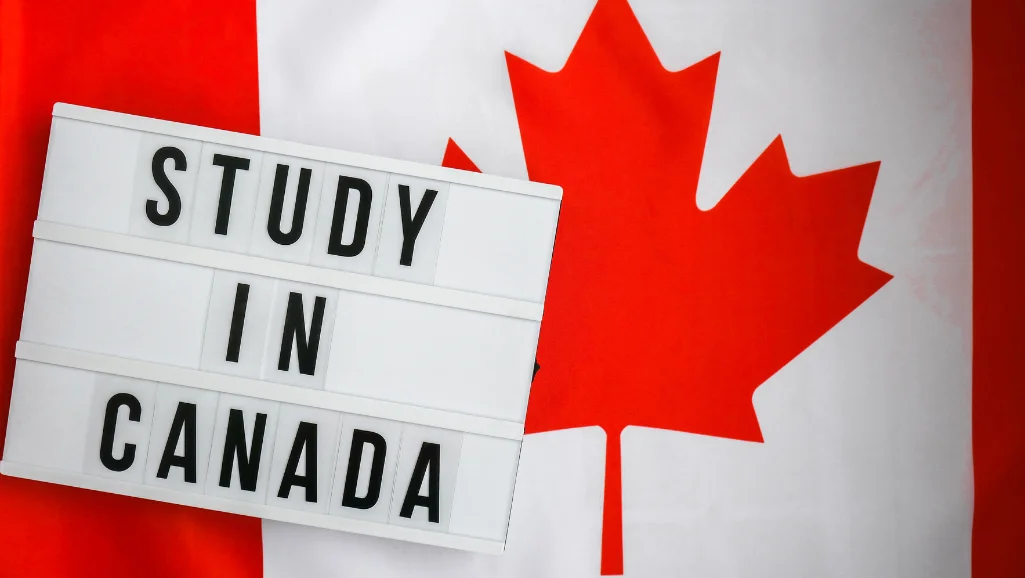
Canada continues to be one of the most preferred destinations for international students, especially those looking to transition from education to permanent residency (PR). In 2026, a two-year college diploma has become one of the most practical and affordable pathways to achieve this goal.
When pursuing PR through this study-to-immigrate pathway, plan for
- Meeting the requirements for a post-graduation work permit (PGWP);
- Becoming eligible for the Canadian Experience Class (CEC) pathway to PR;
- Increasing your competitiveness under Canada’s Comprehensive Ranking System (CRS);
- Qualifying for category-based draws through Express Entry (if applicable); and
- Becoming eligible for any alternative pathway(s) to PR applicable to you, such as pathways enabled by your particular program and location of study.
A key advantage of enrolling in a two-year program in Canada is eligibility for a Post-Graduation Work Permit (PGWP). Students who complete such programs can receive a work permit valid for up to three years, giving them sufficient time to gain valuable Canadian work experience.
This work experience plays a crucial role in the PR journey. After graduation, most candidates begin working in Canada under their PGWP, which allows them to work for any employer across different industries. The longer validity of the work permit ensures that graduates can build strong profiles and meet immigration requirements effectively.
One of the most popular pathways to permanent residency is through the Canadian Experience Class (CEC), which operates under the Express Entry system. To qualify, applicants typically need at least one year of skilled work experience in Canada. By completing a two-year diploma and working for a year or more, candidates can become eligible for this stream and significantly improve their chances of receiving an invitation to apply.
In addition to work experience, candidates are evaluated using the Comprehensive Ranking System (CRS). This points-based system considers factors such as education, age, language proficiency, and Canadian work experience. Having Canadian education and job experience together can substantially boost CRS scores, making applicants more competitive in Express Entry draws.
You can meet this requirement if your program was on the list at the time you submitted your initial study permit application, or if your program is on the list when you submit your PGWP application.
In addition to having graduated from an eligible field of study, you must also meet the general requirements for a PGWP:
- Have completed a program at a PGWP-eligible Designated Learning Institution (DLI) that was at least eight months (900 hours for Québec credentials);
- Have maintained full-time status in Canada in each semester (part-time usually allowed in the final semester);
- Have applied for the work permit within 180 days of receiving confirmation that you completed your program; and
- Meet language proficiency requirements based on your level of study
- College bachelor’s degrees: require a CLB/NCLC level 7 in all four abilities, in French or English.
- Non-bachelor college/polytechnic/non-university programs: need a CLB/NCLC level 5 in all four abilities, in French or English.
- Not have been issued a PGWP before.
How long will my work permit be valid?
If you graduate from a program of at least two years in length, you can get a PGWP for up to three years.
Another important aspect introduced in recent years is the focus on in-demand occupations. Certain study programs linked to fields like healthcare, STEM, skilled trades, and education can improve the chances of qualifying for category-based Express Entry draws. Choosing the right program is therefore critical for long-term immigration success.
However, there are new rules to consider. From late 2024 onwards, not all college programs automatically qualify for a PGWP. Students must ensure their chosen program aligns with eligible fields of study defined by immigration authorities. This change aims to connect education pathways with Canada’s labor market needs and improve employment outcomes for graduates.
Beyond Express Entry, there are alternative pathways available as well. Provincial Nominee Programs (PNPs) allow provinces to select candidates based on local labor market requirements. Some regions offer easier PR options for graduates who study and work within the province. Additionally, new transition pathways from temporary resident status to permanent residence are being introduced to support in-country applicants.
Planning plays a vital role in this journey. Students must select the right college, ensure PGWP eligibility, gain relevant work experience, and prepare for language tests such as IELTS or CELPIP. Even six months of experience in a targeted occupation can sometimes improve chances under category-based draws.
In conclusion, a two-year college diploma in Canada is not just an educational qualification but a strategic stepping stone toward permanent residency. With the right approach, careful planning, and timely action, international students can successfully transition from study permits to PR status in Canada. The pathway is structured, achievable, and continues to attract thousands of students worldwide seeking a better future.