
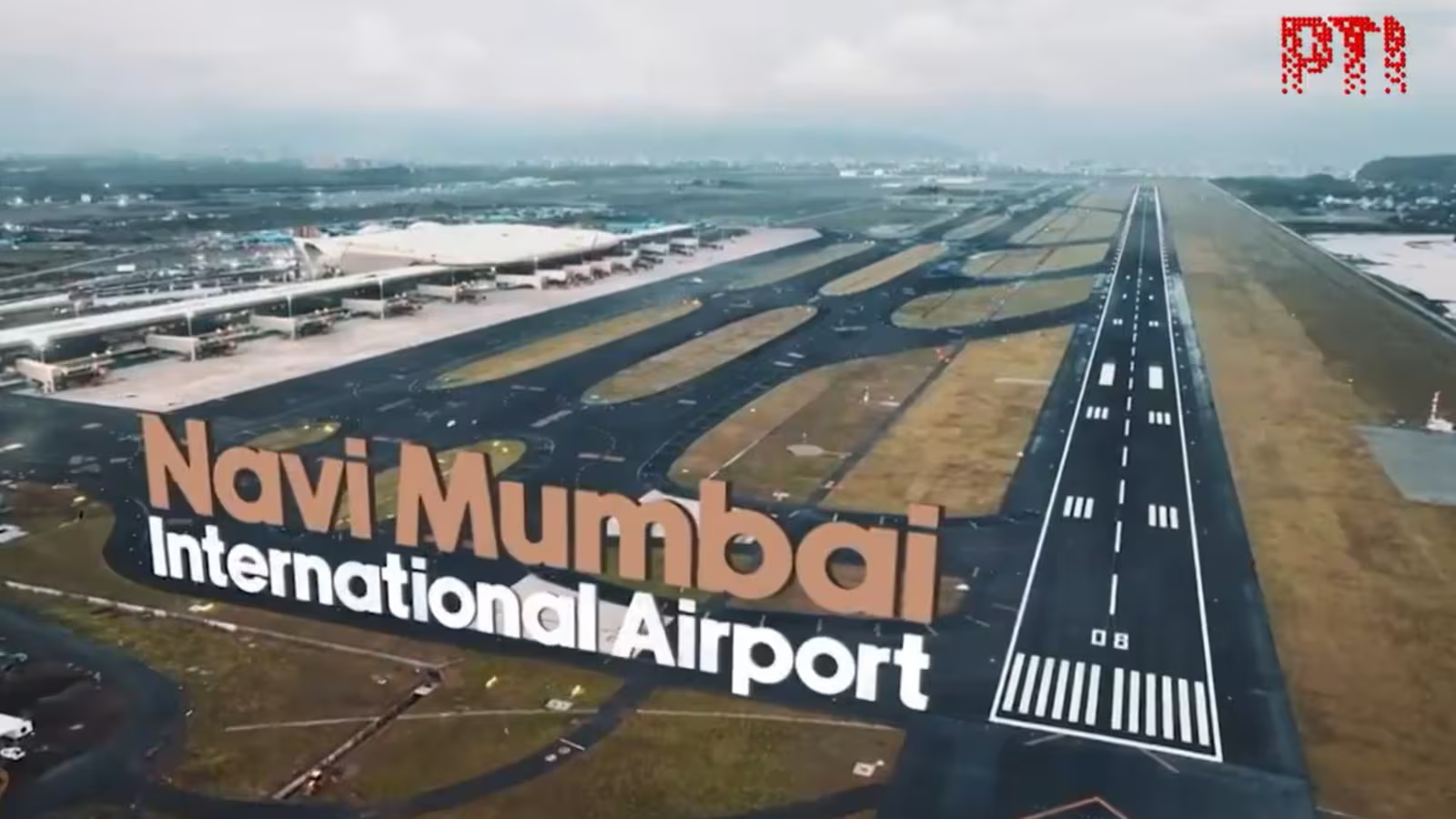
India’s aviation sector is witnessing rapid growth, and the Navi Mumbai International Airport is at the center of this expansion. In a major development, the airport is set to significantly increase its domestic connectivity during the summer schedule of 2026, linking over 45 destinations across the country. This move is expected to transform travel options for passengers in the Mumbai Metropolitan Region.
The airport, which began operations in December 2025, is now entering a crucial growth phase. Initially launched with limited flights and destinations, it is quickly scaling up to meet rising demand. During the summer schedule from late March to October 2026, the airport will dramatically increase flight operations and route coverage.
According to reports, the number of weekly air traffic movements is set to cross 1,000, with daily departures increasing sharply. This expansion includes the addition of several new routes connecting major metro cities, tier-2 towns, and important tourism and religious destinations across India.
Some of the busiest routes from Navi Mumbai Airport will include high-frequency flights to cities like Delhi, Goa, Bengaluru, and Kochi. These routes are expected to see multiple daily departures, catering to both business and leisure travelers. Other key destinations in the network include Hyderabad, Kolkata, Lucknow, Varanasi, and Indore, ensuring nationwide connectivity.
Airlines are also playing a major role in this expansion. Leading carriers such as IndiGo, Air India Express, and Akasa Air are increasing their presence at the airport. IndiGo, for instance, has already introduced new regional routes to cities like Ahmedabad, Diu, Rajkot, Belgaum, and Kolhapur, further strengthening connectivity to smaller markets.
The rapid expansion of Navi Mumbai Airport is expected to bring significant relief to the existing Chhatrapati Shivaji Maharaj International Airport in Mumbai, which has been operating near capacity for years. By sharing passenger traffic between the two airports, congestion, delays, and slot constraints can be reduced.
Another key advantage of this development is improved regional connectivity. Travelers from areas like Navi Mumbai, Panvel, and nearby regions will now have easier access to flights without needing to travel to Mumbai’s main airport. This will save time, reduce travel stress, and improve overall convenience.
From an economic perspective, the expansion is expected to boost tourism, trade, and business activity. Increased connectivity to smaller cities and emerging destinations can promote regional development and open new travel opportunities.
The airport itself is designed with modern infrastructure and passenger-friendly facilities. Features such as digital check-in systems, efficient baggage handling, and seamless connectivity through road, metro, and rail networks make it a future-ready aviation hub.
Looking ahead, the airport is expected to further expand its network to include international routes in upcoming phases. With long-term plans to handle millions of passengers annually, Navi Mumbai International Airport is poised to become one of India’s key aviation hubs.
In conclusion, the plan to connect over 45 domestic destinations during summer 2026 marks a major milestone for Navi Mumbai Airport. With increased flights, better connectivity, and reduced congestion in Mumbai, this development is set to enhance the travel experience for millions of passengers across India.