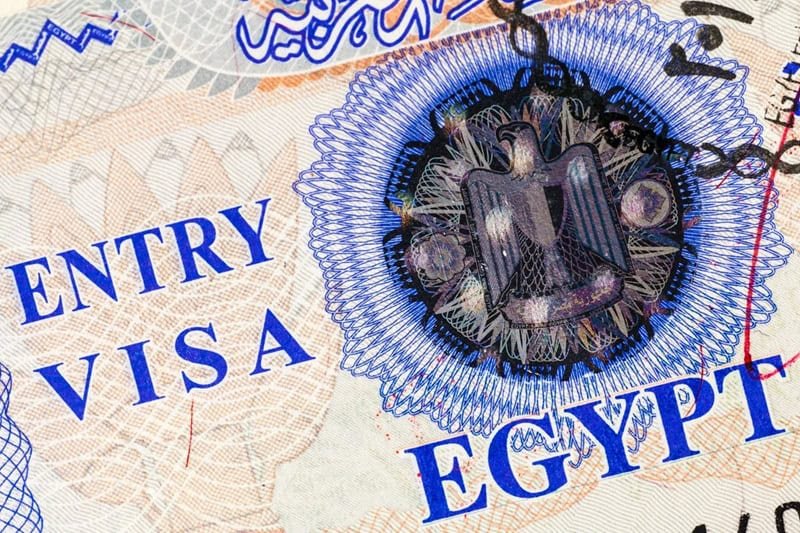
Travelers planning a trip to Egypt in 2026 should be aware of an important visa update. The country has officially increased its visa-on-arrival fee by 20%, a move that affects many international visitors arriving at Egyptian airports and border entry points. The revised fee came into effect from March 1, 2026, and reflects Egypt’s ongoing efforts to streamline tourism-related charges amid growing global travel demand.
Under the updated structure, the cost of a single-entry visa on arrival has increased from $25 to $30. This means travelers opting for this facility will now need to pay an additional $5 upon arrival. The visa remains valid for 30 days, and there are no changes to the duration of stay or general visa conditions.
However, one crucial point for Indian travelers is that this fee hike does not directly impact them in most cases. Indian passport holders are generally not eligible for standard visa-on-arrival entry into Egypt and are required to apply for a visa in advance, either through an embassy or via an e-visa system.
This distinction is important because many travelers often assume that visa-on-arrival rules apply universally. In reality, Egypt has specific eligibility criteria, and Indian citizens typically need pre-approved visas before departure. As a result, while the headline fee increase may seem significant, it does not immediately change the process for most Indian tourists.
The decision to raise visa fees comes at a time when Egypt is witnessing a steady rise in tourist arrivals. With iconic attractions such as the Great Pyramids of Giza, the temples of Luxor, and Nile River cruises drawing millions of visitors every year, the country continues to be one of the most sought-after destinations in the Middle East and North Africa region.
From a policy perspective, the fee adjustment is relatively modest but meaningful. A $5 increase may not appear substantial for individual travelers, but when applied across millions of annual visitors, it can contribute significantly to tourism revenue. Governments often revise visa fees to balance infrastructure costs, enhance visitor services, and manage tourist inflows more efficiently.
For travelers who are eligible for visa-on-arrival, this update means slightly higher upfront costs. It is also important to note that the visa fee must typically be paid in US dollars at the point of entry, so carrying the correct currency is essential. Failure to do so may lead to delays or complications during the arrival process.
Meanwhile, alternative visa options such as e-visas and embassy-issued visas remain unchanged in terms of pricing. This gives travelers flexibility to choose the most convenient application method based on their eligibility and travel plans. Many experienced travelers prefer applying for an e-visa in advance to avoid queues and ensure a smoother immigration experience.
For Indian travelers, the update serves as a reminder to always verify visa requirements before planning international trips. Regulations can vary based on nationality, travel purpose, and diplomatic agreements, and even small changes can impact travel planning. Staying informed helps avoid last-minute surprises and ensures a hassle-free journey.
Despite the fee hike, Egypt continues to offer exceptional value as a travel destination. Its rich history, cultural heritage, and unique experiences make it a top choice for tourists worldwide. Whether it’s exploring ancient pyramids, cruising along the Nile, or discovering vibrant local markets, the appeal of Egypt remains unchanged.
In conclusion, while Egypt’s 20% visa-on-arrival fee increase introduces a slight change in travel costs, it does not significantly alter the overall travel experience. For Indian passport holders, the process remains largely the same, requiring advance visa approval. As global travel continues to evolve, staying updated with such policy changes is essential for smooth and well-planned journeys.