India’s major airlines such as Air India, IndiGo, and SpiceJet have strongly opposed a fresh government directive that stipulates a minimum of 60% of all seats on a flight must be offered free of charge to customers. This latest development was initiated by the government’s Directorate General of Civil Aviation (DGCA) in a bid to enhance passenger convenience.
The airlines have cited a possible disruption in their pricing strategy, which may have an unintended consequence.
What the New Rule Says
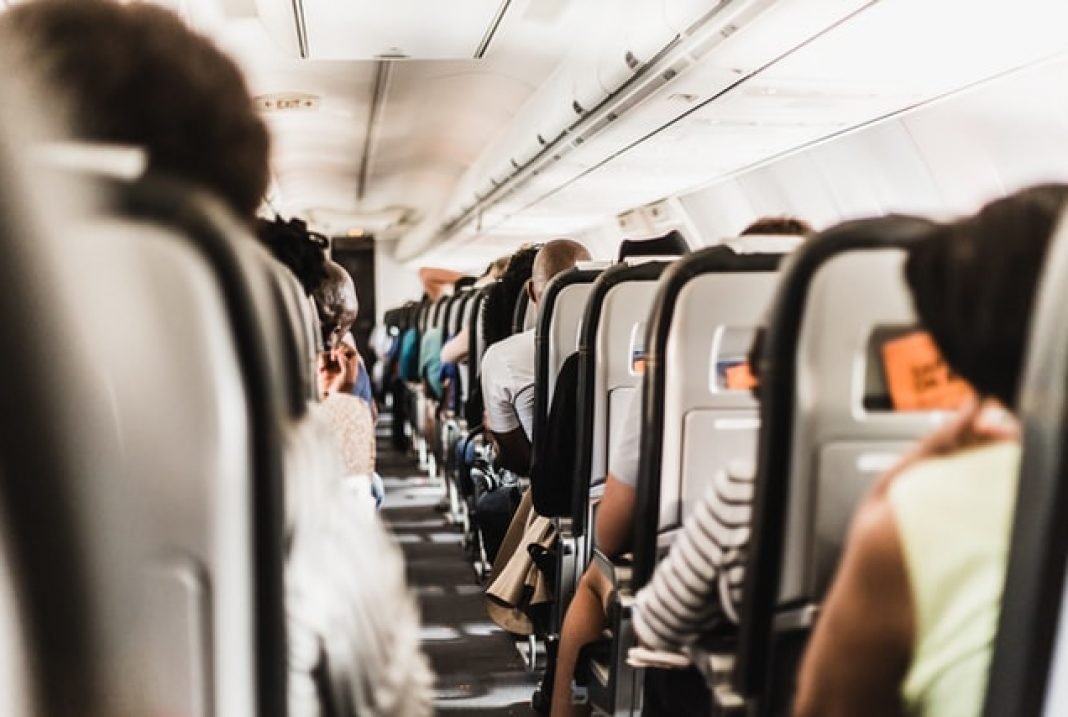
The new rule dictates that a majority of airline seats must be given without passengers being asked to pay a fee for their choice of seats. In addition, passengers under the same PNR, like families, must be seated together.
The new policy is part of a larger move by the government to strengthen passenger rights, curb hidden charges, and generally make flying more transparent and accessible.
To many, especially families, the new policy is a relief from being asked to pay extra for their seats, which can add up to extra costs when flying.
Despite the passenger-friendly objective, airlines have raised serious concerns about the financial impact of the directive. Seat selection fees form a major part of airlines’ ancillary revenues, which play an important role in keeping base ticket prices low.
Industry players argue that if such charges are removed or limited, airlines may be forced to compensate by raising ticket prices. In simple terms, passengers may save on seat selection fees but pay more on the ticket price.
The announcement of the rule has already had an impact on the aviation industry. It has been reported that airline stocks have reacted negatively to the announcement, which shows the impact on potential revenue.
At a time when airlines are struggling to keep up with increasing fuel costs, these changes may put additional pressure on the industry.
Experts have also warned that these financial pressures could affect the expansion and quality of services.
The government’s action is clearly intended to provide benefits to air travel passengers by making air travel more affordable and transparent. However, the airline industry is of the view that such benefits need to be weighed against the actual costs of running an airline business.
In case airlines are required to bear revenue losses, they might:
* Increase base airfares
* Decrease discounts and offers
* Limit service offerings on budget tickets
In this respect, there is a very complex situation where benefits of a government policy might be indirectly negated by an increase in costs.
For the passengers, this new rule has both pros and cons. On the positive side, the passengers can enjoy the benefit of not being charged for seat selection, especially for standard seats.
On the negative side, there is a possibility that the ticket prices may increase, especially during peak travel seasons.
The passengers are advised to:
- Compare the total ticket costs
- Book tickets in advance to avoid price hikes
- Keep themselves updated with airline policies